
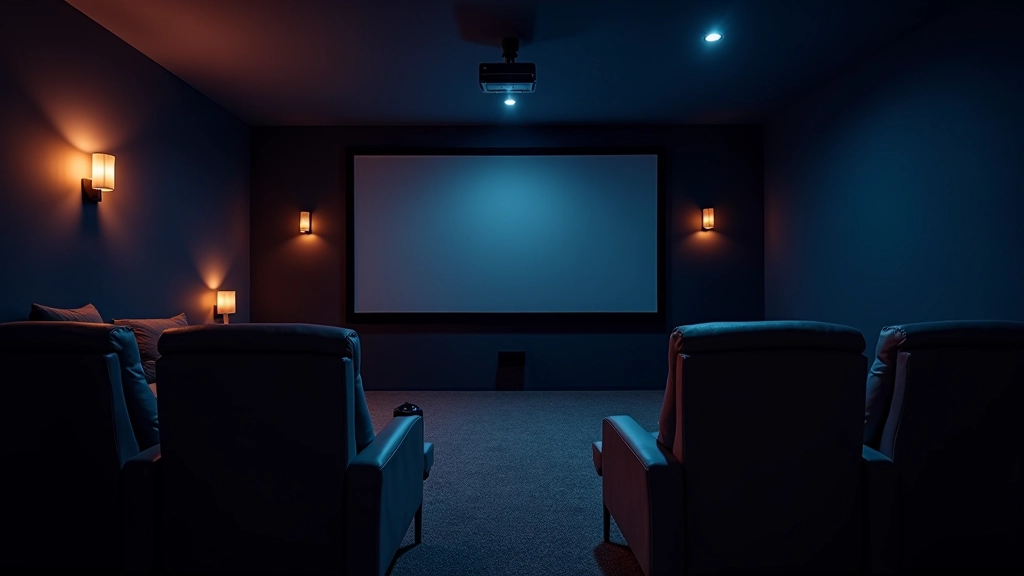
Setting Up a Home Cinema Without Breaking the Bank
Everything you need to know about projectors, sound systems, and room layout. We've covered the essentials for creating a cinema experience at home.
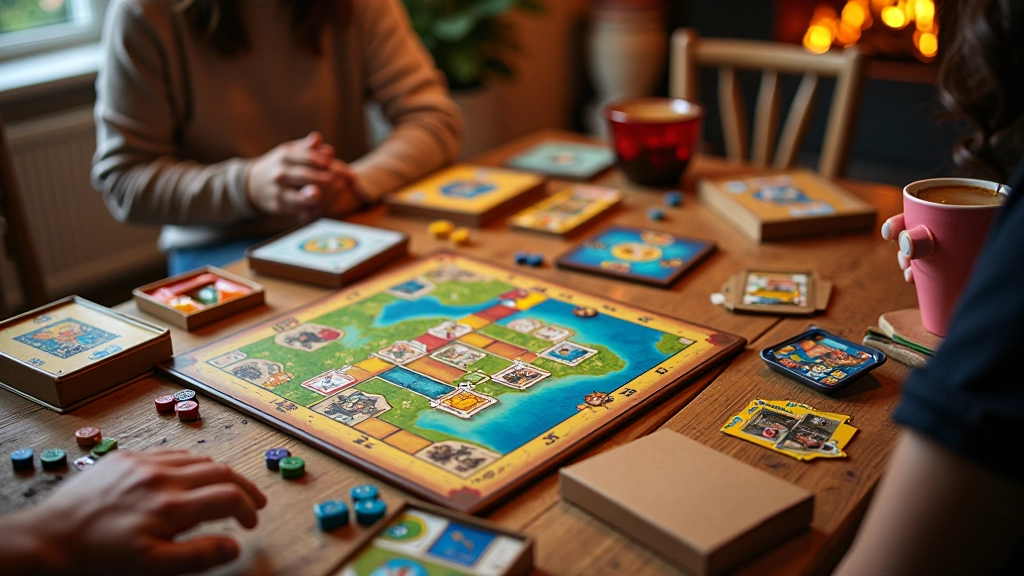

Board game nights can go sideways pretty quickly. You've got your friends gathered, everyone's ready for a good evening, but then you pick a game and halfway through someone's bored, another person's frustrated by the rules, and the whole thing fizzles out. It doesn't have to be that way.
The difference between a night people actually want to come back for and one they'd rather forget comes down to a few specific things. It's not about having the most expensive games or playing for hours. It's about choosing the right games for your group, setting things up properly, and knowing how to keep momentum when the energy starts to dip.
This is where most game nights fail from the start. You pull out something complicated, spend 20 minutes explaining rules nobody's really listening to, and you've already lost half your group's attention.
The games that work best are ones where you can explain the core idea in 30 seconds. Players understand what they're doing almost immediately, but there's still strategy and fun to discover as you play. Think along the lines of quick-playing party games mixed with a couple of deeper ones that don't require a rulebook memorization.
Sweet spot for groups: Mix one simple game (5-10 minutes setup), one medium game (20-30 minutes), and one slightly heavier game (45 minutes max). That way you've got options depending on energy levels.
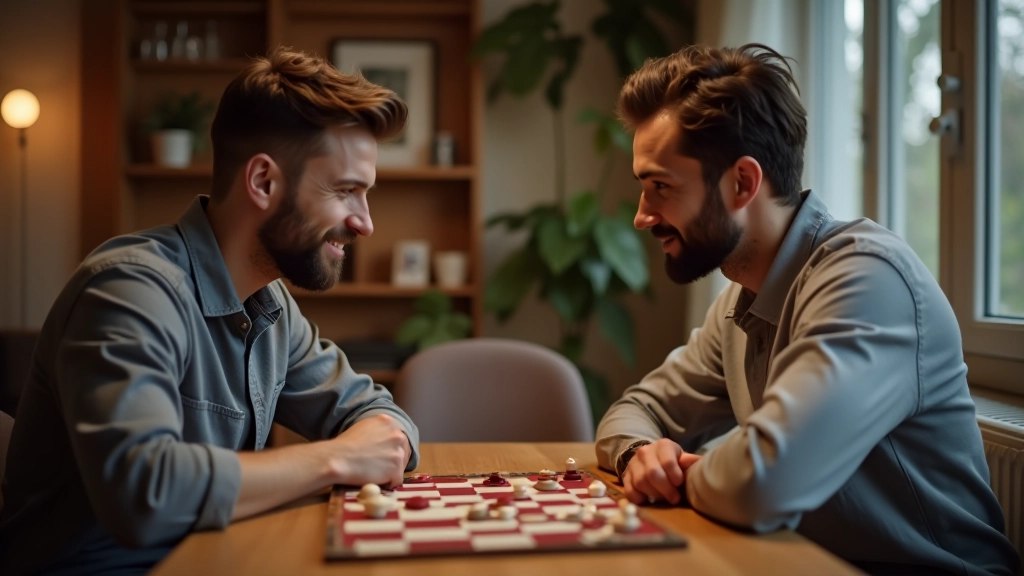
You've got the right games picked out. Now don't blow it by setting up in a cramped kitchen or around a wobbly coffee table. Where you play shapes everything about how the night goes.
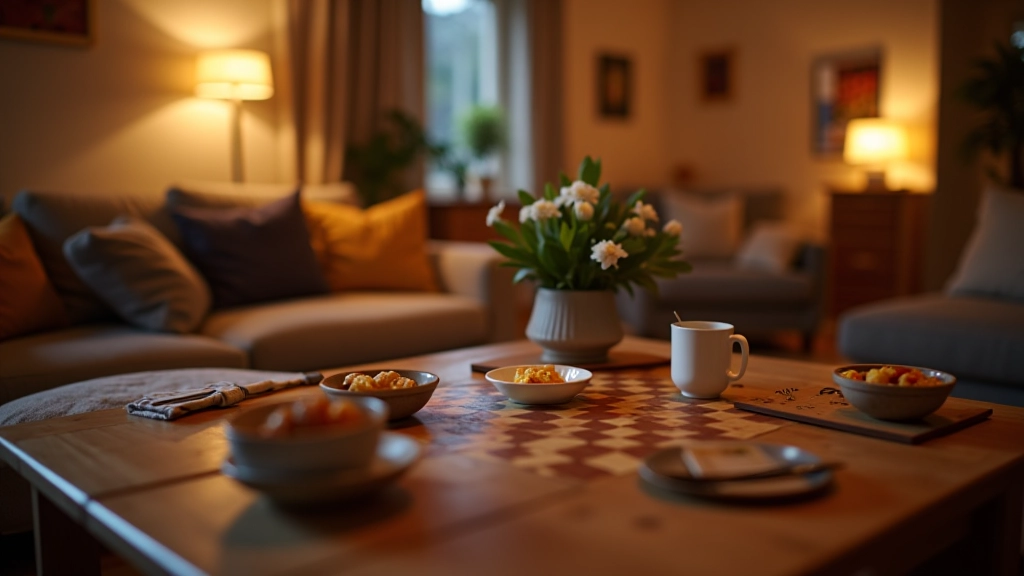
Find a space with a solid table where everyone can see the board clearly. Make sure there's room for drink glasses, snack bowls, and player reference cards without everything getting knocked over. Good lighting matters too — nobody enjoys squinting at tiny game pieces under dim overhead lights. If you've got a lamp or can move closer to a window, do that.

There's always a moment during game night where someone's turn takes too long, or a player's clearly struggling to understand their options. Energy dips. People start checking their phones. That's when you lose them.
The fix is simple but you've got to be intentional about it. Keep things moving. If someone's taking forever on their turn, gently remind them they've got maybe 60 seconds to decide. Encourage playful banter between turns. If someone's winning by a huge margin early on, that's actually fine — don't try to handicap things. Most games balance out, and people enjoy a comeback.
Having snacks and drinks flowing helps too. It sounds basic but it's true. People are happier when they're not thirsty or hungry. You don't need anything fancy — chips, cheese, nuts, and water do the job.
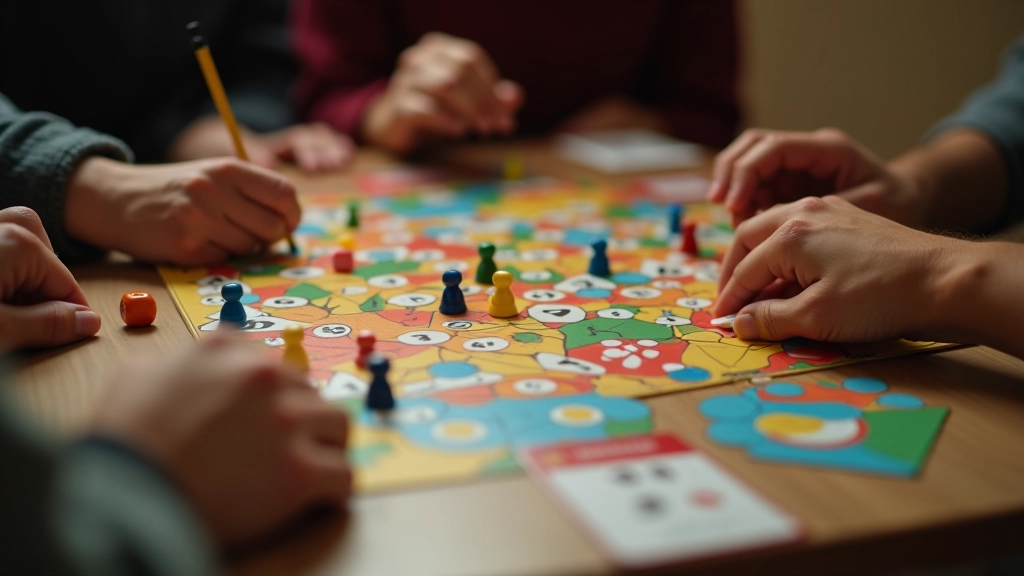
Not everyone enjoys the same type of game. Your competitive friend who loves strategy will find a pure luck-based game boring. Your casual friend who just wants to hang out might feel stressed by heavy strategy games where they're always behind.
Think about your actual group. Are they there to compete hard or just hang out? Do they enjoy banter and trash talk, or do they prefer cooperative games where everyone's on the same team? Have you got any game haters in the mix? If so, what's their deal — do they find games tedious, too complicated, too long?
Once you know what you're working with, picking games gets a lot easier. You're not trying to find the "best" game — you're finding the game that fits your specific people on that specific night.
Good game nights aren't accidents. They happen because you've picked games people will actually enjoy, you've set things up properly so nobody's squinting or frustrated, and you're paying attention to the room's energy. That's it.
Start with one or two games you know work for your group. Get comfortable hosting. Once you've run a couple successful nights, you'll naturally start to see what works and what doesn't. You'll get faster at reading the room. You'll know exactly when to switch games or when to call it a night on a high note.
The best part? People will actually want to come back. They'll text you asking when the next game night is. That's when you know you're doing it right.
Disclaimer: This article is for informational and entertainment purposes. Game preferences vary significantly based on individual interests, group dynamics, and cultural background. The suggestions provided are based on general hosting practices and aren't guaranteed to work for every group. Adapt these ideas to fit your specific situation, group size, and the preferences of your guests. Always check game instructions and ensure you understand the rules before hosting.