
kautenora Logo Kautenora Contact Us
Contact Us

Baking Traditional Latvian Recipes: Pirāgi and Sklandrausis

Step-by-step instructions for making authentic pirāgi and sklandrausis from scratch. These recipes are easier than you think and totally worth the effort.

20 min read Intermediate April 2026
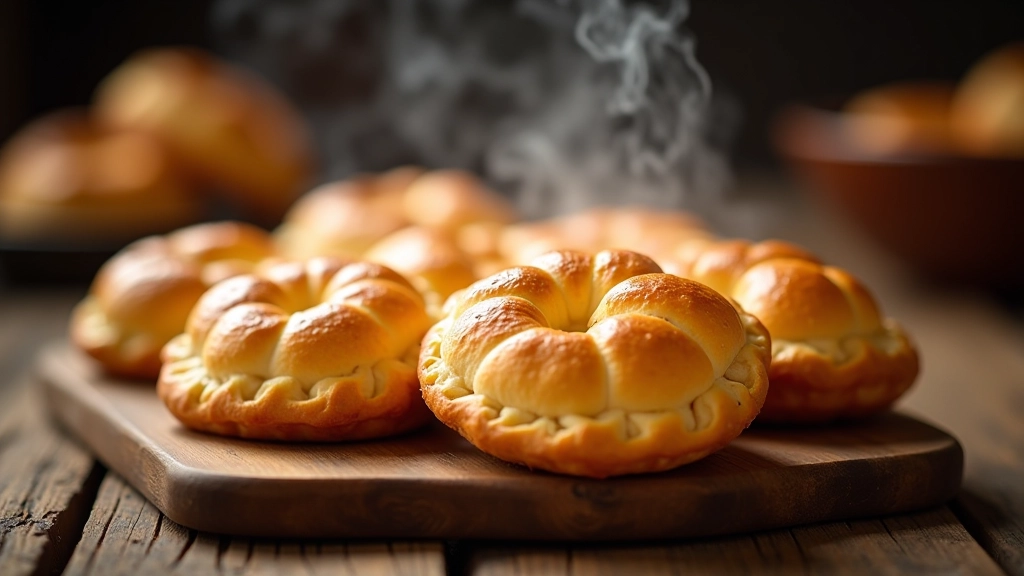
Traditional Latvian pirāgi pastries fresh from oven with golden-brown exterior on a wooden cutting board, steaming
Andris Bērziņš

Author

Andris Bērziņš

Senior Lifestyle & Culture Editor

Andris is a lifestyle journalist specializing in Latvian home entertainment, traditional cuisine, and indoor activities with 14 years of professional experience.

What Are Pirāgi and Sklandrausis?

Pirāgi are small, boat-shaped pastries filled with bacon and onions. They're savory, warm, and absolutely delicious — the kind of thing you can't eat just one of. Sklandrausis is different. It's a layered rye bread cake filled with potatoes and bacon, then topped with caraway seeds. Think of it as comfort food elevated to an art form.

Both recipes have been around for generations in Latvia. You'll find them at family gatherings, celebrations, and casual Friday dinners. What's interesting is that they're not difficult to make once you understand the technique. The pastry is straightforward. The filling is simple. What makes them special is attention to detail and using quality ingredients.

We're going to walk through both recipes today. You'll see that baking these at home is totally doable. No fancy equipment. No obscure ingredients. Just good technique and a bit of patience.
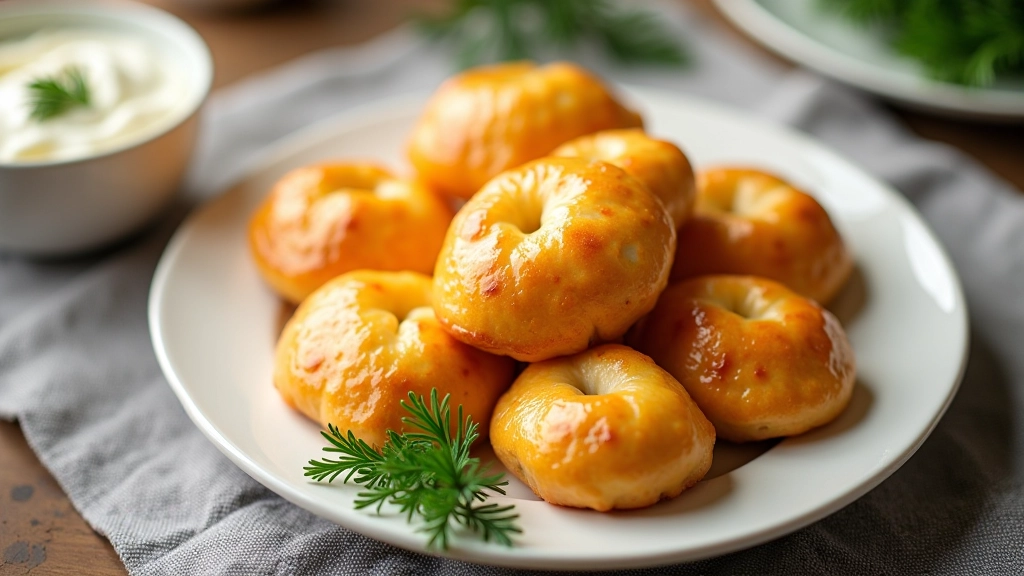
Close-up of golden-brown pirāgi pastries on a white plate with fresh dill garnish and a small bowl of sour cream on the side
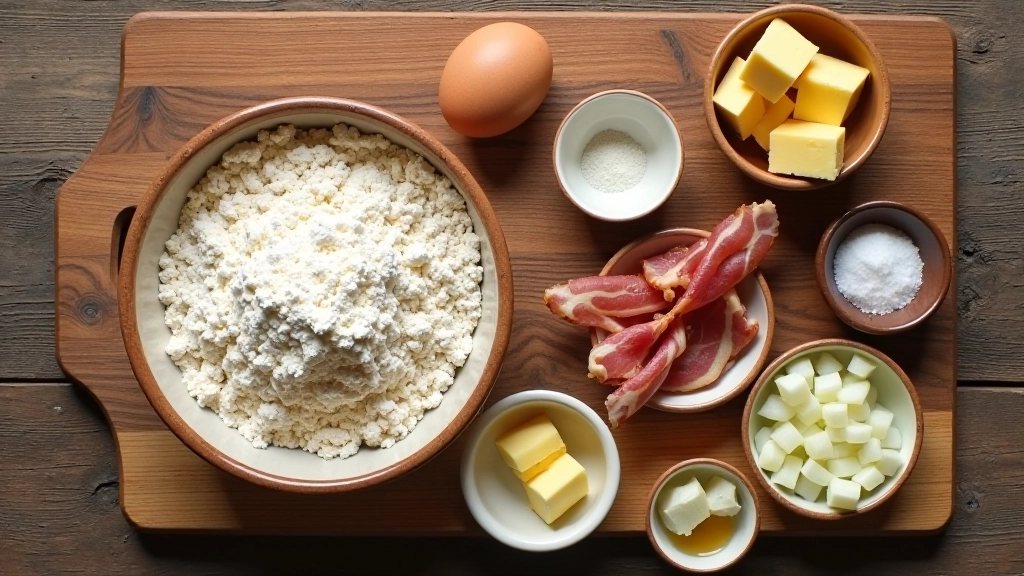
Ingredients laid out for pirāgi: flour, butter, eggs, bacon, onions, and salt measured in small bowls on wooden countertop

Making the Dough for Pirāgi

The dough is where it starts. You'll need 500 grams of flour, 250 grams of butter (cold), 2 egg yolks, 1 teaspoon of salt, and about 100 milliliters of sour cream. The key is keeping everything cold. Cold butter creates layers in the dough. Warm butter? That's how you end up with a dense, flat pastry that won't impress anyone.

Cut the cold butter into small cubes and work it into the flour using your fingertips. Don't use a food processor — you want to feel when the texture is right. It should look like breadcrumbs. Then add the egg yolks and sour cream, mixing gently until the dough just comes together. Wrap it in plastic and refrigerate for at least an hour. You can leave it overnight if that works better for your schedule.

Here's the real secret: don't overwork the dough. Work quickly, keep everything cold, and trust the process. The dough doesn't need to be perfect. It'll come together when you roll it out.

The Bacon and Onion Filling

While your dough chills, prepare the filling. You'll need 300 grams of bacon, diced finely. Cook it in a large pan over medium heat until it's crispy and the fat has rendered out. Remove the bacon and set it aside, leaving about two tablespoons of the fat in the pan.

Dice four large onions into small pieces. Add them to the hot fat and cook slowly for about 15 minutes. Don't rush this step. You want the onions to become soft and slightly golden, not brown. They should be sweet and caramelized. Once they're done, combine them with the cooked bacon, add salt and pepper to taste, and let the mixture cool completely. Warm filling will make your dough soggy.

This filling is forgiving. Some people add a tiny bit of caraway seed here. Others prefer it pure. If you like things savory and bold, you might add a pinch more salt. Taste as you go. This is your chance to adjust flavors before assembly.
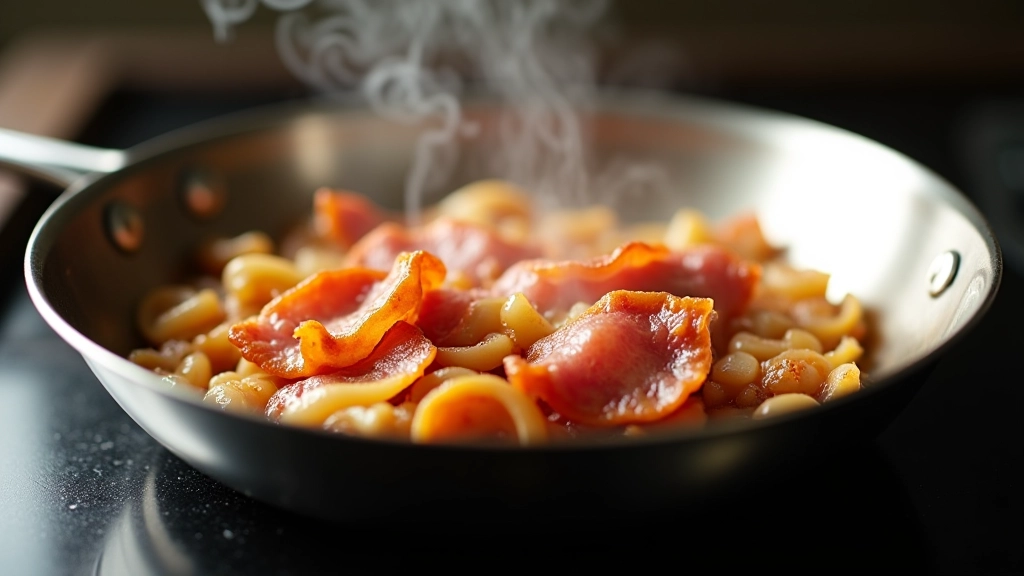

Pan with golden-cooked onions and crispy bacon pieces mixed together, steam rising, on a dark stovetop

Shaping and Baking the Pirāgi

Now comes the fun part. Roll out your chilled dough on a floured surface until it's about 3 millimeters thick. Using a small glass or cookie cutter (about 8 centimeters), cut circles from the dough. You should get about 30-35 pieces.

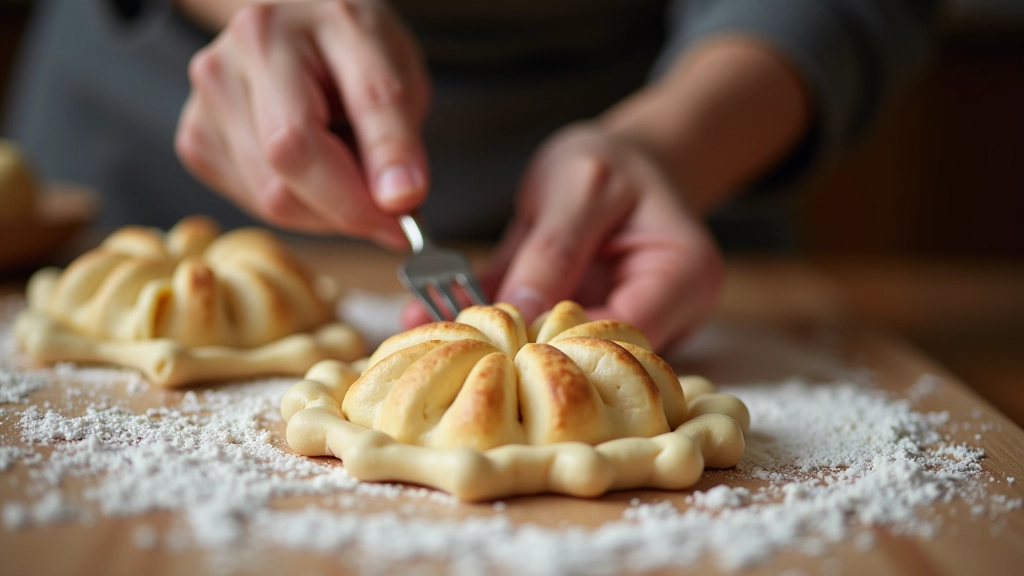
Place a teaspoon of filling on one half of each circle. Fold the dough over to create a half-moon shape, then press the edges firmly with a fork to seal them. This isn't just for looks — you're actually sealing in the filling so it won't leak out during baking.

Arrange your pirāgi on parchment-lined baking sheets. You can make them now or refrigerate them for a few hours. If you refrigerate, they'll hold their shape even better during baking. Brush each one lightly with beaten egg for a beautiful golden finish.

Bake at 190 degrees Celsius for about 20-25 minutes until they're golden brown. You'll know they're done when the tops are a rich golden color and the pastry looks crispy. The smell will tell you too — it's unmistakable.

Hands shaping pirāgi dough circles into boat-shaped pastries with fork sealing the edges on floured surface
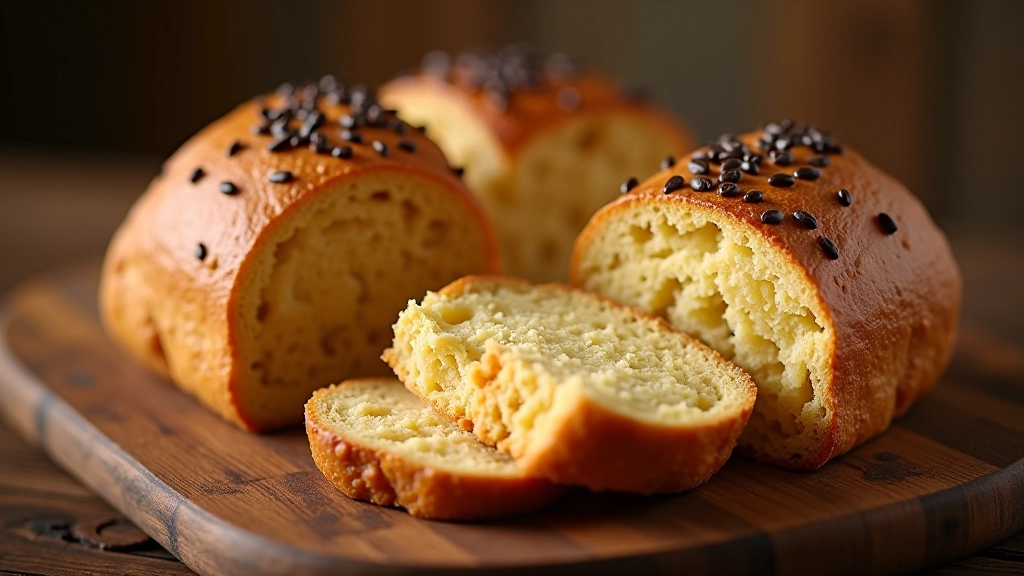
Sklandrausis traditional Latvian rye bread cake with golden-brown exterior and caraway seeds on top, sliced to show potato filling

Understanding Sklandrausis: A Different Beast

Sklandrausis is more complex than pirāgi, but not in a bad way. It's a traditional layered bread that's baked in a round form. The bottom layer is rye dough, the middle is potatoes and bacon, and it's topped with another layer of dough and caraway seeds.

You'll start with 600 grams of rye flour mixed with 400 grams of wheat flour. Add 400 milliliters of warm water, 10 grams of salt, and about 20 grams of fresh yeast (or 7 grams of instant yeast). Mix everything together and let it rise for about 30 minutes until it's puffy and alive.

While the dough rises, prepare the filling. Peel and slice 800 grams of potatoes thinly. Cook them in salted water for about 8-10 minutes until they're just barely tender but still firm. Fry 250 grams of diced bacon until crispy. Combine them together with salt, pepper, and a handful of caraway seeds.

Roll half the dough into a circle about 30 centimeters across and place it in a greased springform pan. Layer the potato-bacon filling on top, then top with the remaining dough. Brush with egg wash, sprinkle caraway seeds generously, and bake at 180 degrees Celsius for about 45-50 minutes until the top is deep golden brown.

Serving and Storing Your Creations

Pirāgi are best served warm with sour cream. The contrast between the warm, crispy pastry and the cool sour cream is perfect. They're also good at room temperature if you've made them ahead.

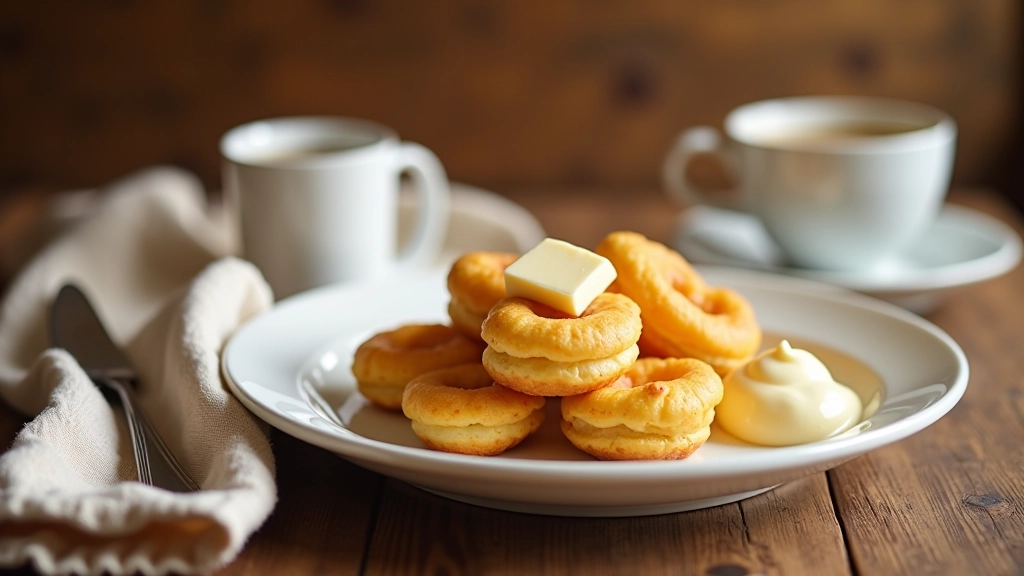
Sklandrausis should cool for at least 15 minutes before slicing. It'll be hot inside, so be patient. Slice it into wedges and serve with butter or sour cream. Some people like it with a cup of coffee in the afternoon. Others save it for supper.

Both keep well. Pirāgi stay fresh for about three days in an airtight container. Sklandrausis lasts about four days. You can also freeze them — wrap them well and they'll keep for a month. Just reheat in a 160-degree oven for about 10-15 minutes.

The real truth? These recipes become easier every time you make them. Your hands learn the technique. Your instincts improve. The first time you pull a batch of perfect, golden pirāgi from the oven, you'll understand why these recipes have lasted for generations. It's not magic. It's just good technique, decent ingredients, and a bit of care.

Table setting with sliced sklandrausis on white plate, butter, sour cream, and coffee cup in cozy Latvian home kitchen

About This Guide

This article is an informational guide to traditional Latvian baking techniques and recipes. The instructions provided are based on established culinary practices and historical Latvian recipes. Individual results may vary depending on factors like ingredients, equipment, altitude, humidity, and personal baking experience. We recommend testing recipes on a small scale first and adjusting to your preferences. If you have specific dietary concerns or allergies, please consult appropriate resources or professionals before preparing these dishes.