
Board Game Nights That Everyone Actually Enjoys
Practical tips for choosing games, hosting a group, and making sure nobody gets bored or frustrated halfway through.
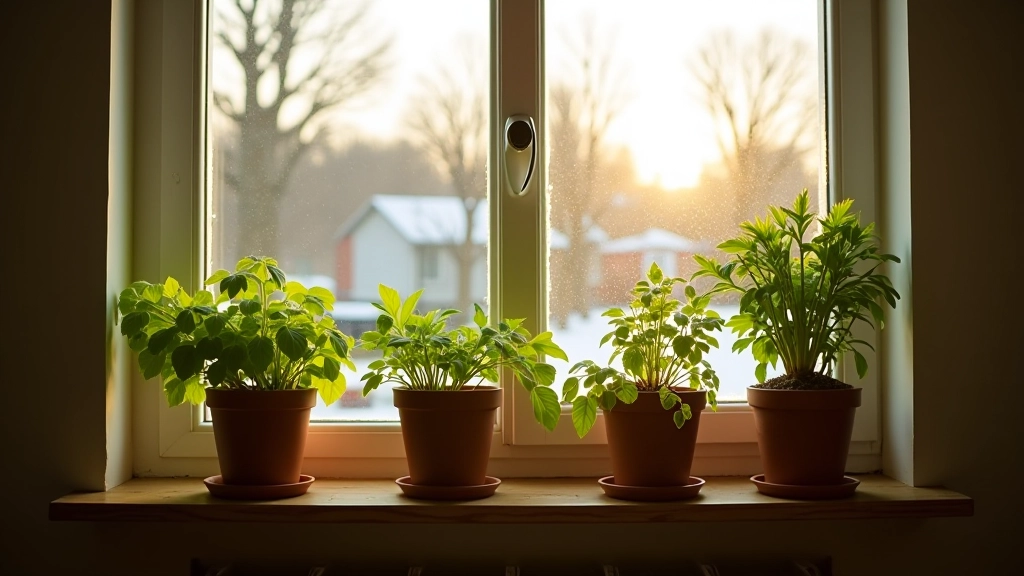
You don't need a greenhouse. Learn which herbs thrive indoors, what lighting works, and how to keep them alive when it's dark outside for months.

When winter arrives here, the sun disappears for what feels like forever. We're looking at maybe 4-5 hours of daylight in December, and that's it. Fresh herbs from the grocery store aren't cheap, they don't last long, and honestly, they don't taste as good as what you can grow yourself. But here's the thing — you don't need a fancy greenhouse or a south-facing conservatory.
The right setup on a regular windowsill actually works. We're talking basil, parsley, chives, mint — all of them can thrive indoors with minimal effort. You'll save money, have fresh herbs year-round, and there's something genuinely satisfying about snipping fresh parsley while it's snowing outside. Let's break down how to make it happen.
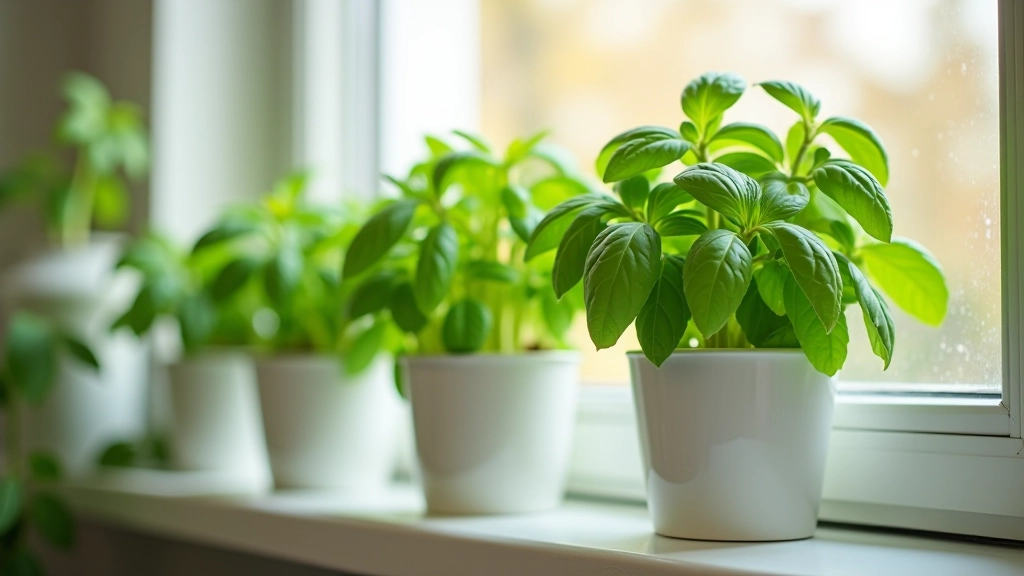
Not every herb does well inside. Some need way more light than your apartment can provide. But there's a solid group that'll actually perform well on a standard windowsill. Here's what works.
This is your best friend. Basil loves warmth and light, and it'll grow quickly once you get it going. You're looking at about 3-4 weeks from planting to first harvest. Keep it at 18-21°C and make sure it gets bright light — at least 6-8 hours daily.
More tolerant than basil when it comes to light levels. Parsley's slower to establish — expect 4-5 weeks — but once it's going, it'll keep producing for months. Works great in cooler rooms, around 15-18°C.
Honestly, chives are tough. They don't need much light, they're cold-tolerant, and you can harvest constantly without killing the plant. Cut from the outside, leave the center growing, and you'll have fresh chives for weeks.
Maybe too good at growing. Mint spreads like it's got a mission, so keep it in its own container away from other plants. It tolerates lower light than basil and loves moisture. You'll be harvesting constantly by spring.
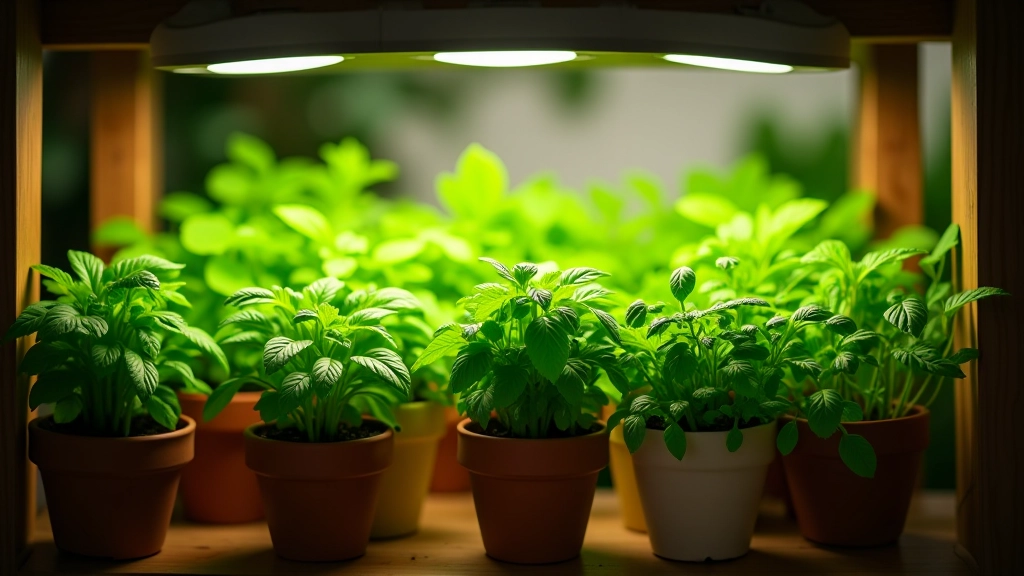
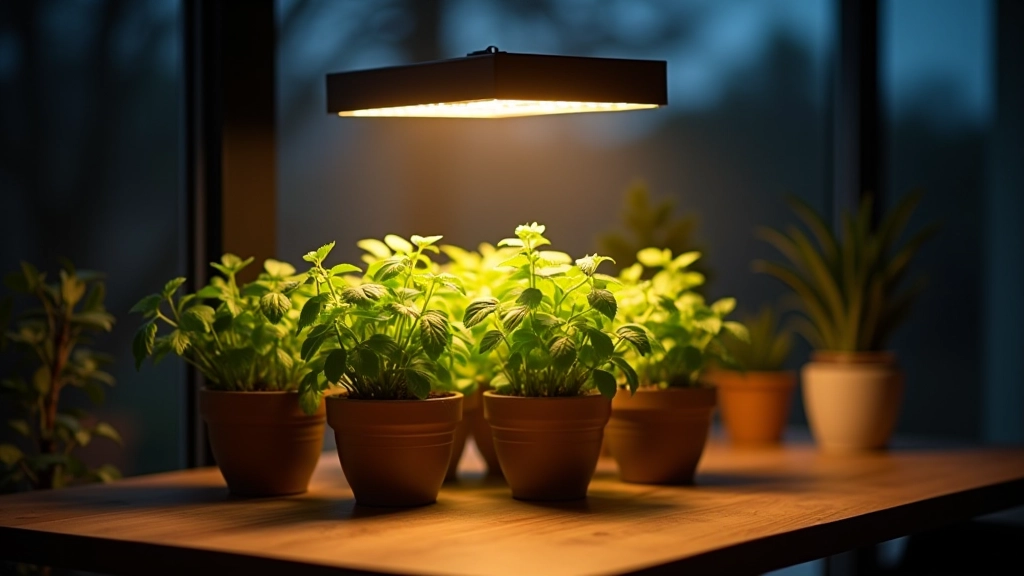
Here's the honest answer: it depends on your window. If you've got a south-facing window that gets direct sun for 4+ hours, you might manage without grow lights, especially for chives and mint. But realistically? In Baltic winter, you're not getting enough natural light to keep most herbs truly happy.
Grow lights aren't as expensive as they used to be. You can get a decent LED panel for €20-40, and it'll last for years. The key is choosing the right spectrum — you want something in the 6500K range for leafy herbs. Keep the light about 15-20cm above your plants and run it for 12-14 hours daily. Timer outlets are your friend here. Set it and forget it.
Without supplemental light? Your herbs'll get leggy, pale, and slow to grow. They're basically struggling. With even basic LED lighting, you'll see the difference within two weeks. They'll be bushier, darker green, and way more productive.
The process is straightforward. Here's what you actually need.
Small pots work best — about 10-15cm diameter for individual herbs. Drainage holes are non-negotiable. You don't want water sitting in the pot. Ceramic or terracotta is fine, plastic works too. Fill them with quality potting soil, not garden soil. Garden soil compacts indoors and doesn't drain properly.
Seeds are cheaper and more satisfying, but they take longer. Seedlings from a nursery give you faster results. If you're starting in January and want herbs by March, seedlings are your move. Seeds work fine if you're planning ahead.
Position your herbs near a window — natural light is always helpful, even if it's not enough. Mount your grow light above if you're using one. A windowsill is fine, but a shelf under a light gives you more control and better results. Make sure the area isn't right next to a heating vent, which dries everything out.
Check soil moisture daily by touching the top. Water when it feels dry about 1cm down. Indoors, plants dry out slower than outside, so you're probably watering every 2-4 days depending on humidity and temperature. Overwatering kills more indoor herbs than anything else.

Once everything's growing, maintenance is pretty minimal. The main thing? Consistency. Plants like routine. Same watering schedule, same light hours, same temperature. Fluctuations stress them out.
Keep your herbs between 15-21°C. Most apartments sit around 20°C, which is perfect. Just avoid placing them right next to radiators or in drafty spots. Sudden temperature swings cause stress and slow growth.
Winter heating dries out the air. If you notice leaves getting crispy, mist them lightly with water every few days, or place the pots on a tray with water (but don't let the pot sit in water). Humidity around 40-60% is ideal.
When plants get about 15cm tall, pinch off the top growing tip. This encourages them to branch out instead of getting tall and leggy. You're harvesting anyway, so just pinch as you pick.
Indoor pests are rare but they happen. Spider mites and whiteflies are the usual culprits. If you spot webbing or tiny insects, spray leaves with water or use a mild organic insecticide. It's easier to prevent than fix.
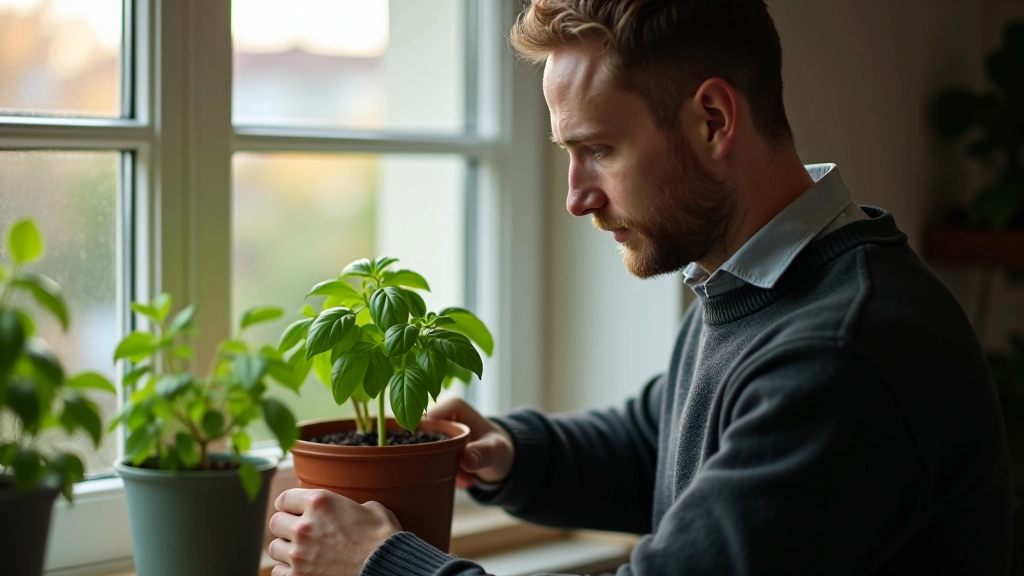
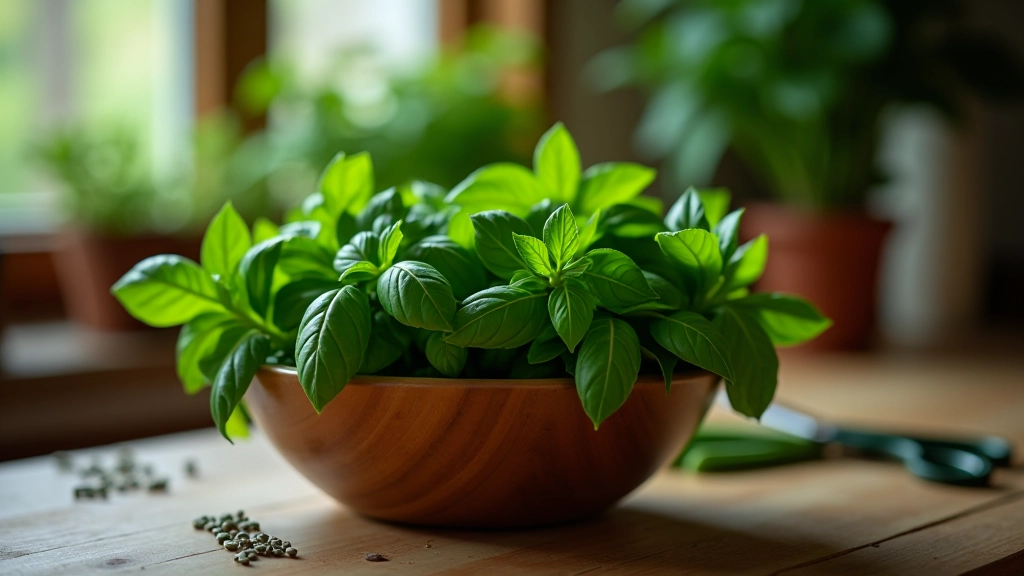
Here's where it gets satisfying. You're not waiting months. With basil, you're cutting fresh leaves within 3-4 weeks of planting. The secret to keeping plants productive is harvesting regularly. It sounds backwards, but cutting encourages bushier growth.
Start harvesting from the top, pinching off leaf clusters. This keeps the plant compact and forces it to branch. For basil, remove flower buds as soon as they appear — flowering slows leaf production. Parsley and chives can handle heavier harvesting once established. You can take up to a third of the plant at a time and it'll recover quickly.
The taste difference between store-bought and fresh-grown is huge. You'll notice it immediately. Plus, there's something genuinely good about using herbs you grew yourself while it's dark and freezing outside. You've literally created summer inside your apartment.
Growing herbs indoors during Baltic winters isn't complicated or expensive. You need small pots, decent potting soil, basic grow lights, and a consistent watering routine. Within a month, you'll have fresh herbs. Within two months, you'll wonder why you didn't start sooner. The investment is minimal — maybe €50-80 to set everything up — and you'll recoup that in saved grocery bills in a couple of months.
Start with basil and chives. They're forgiving and they grow fast. Once you've got the hang of it, add parsley and mint. Before spring arrives, you'll have a little indoor garden that actually produces. And when you're making soup or sauce in January and you can snip fresh herbs from your windowsill? That's when you'll really appreciate the whole setup.
This article is intended for informational and educational purposes only. The growing methods and recommendations presented are based on general indoor gardening practices and may vary depending on your specific location, climate conditions, apartment setup, and individual plant care circumstances. Results may differ based on factors such as light availability, humidity levels, temperature stability, and watering practices. If you encounter persistent issues with plant growth or health, consider consulting with a local gardening expert or horticultural specialist who can assess your specific situation. Always follow product instructions when using fertilizers, grow lights, or other gardening supplies.